Umbaji
Submitted by:
Umbaji
Location:
Togo
About the Solution
In West Africa, 92% of Togo’s economy operates in the informal sector, with the majority speaking local West African languages rather than the dominant online languages used in AI systems. Only 22% of the population has access to formal digital banking, and 7.5 million people across the region are affected by floods with no early warning systems or climate advisory tools in their languages. This creates a critical gap where those most vulnerable to climate shocks and economic instability—particularly farmers and informal workers—lack access to the financial services, market information, and climate alerts they need to build resilience.
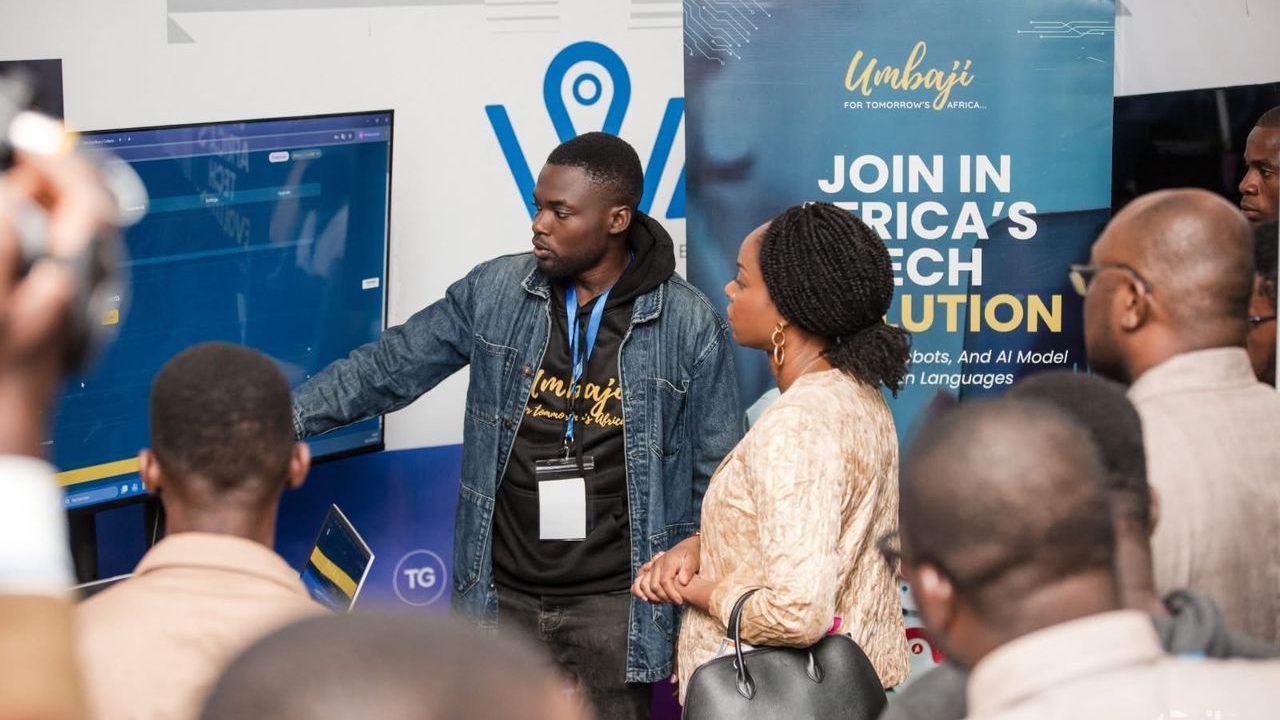
Umbaji’s voice-enabled AI agent, Yodi (meaning “to speak” in Kabyè, Togo’s second most spoken language), works in African local languages, enabling financial institutions, telecommunications companies, and cooperatives to interact with customers via phone calls, WhatsApp, and SMS. Using advanced AI models, Yodi enables natural conversations in over 12 West African languages—interactions previously impossible to automate at scale. Today, Yodi is advancing financial and climate resilience by delivering real-time financial advisory, commodity market prices, climate alerts, and early warnings directly in users’ native languages.
Activating Economic Opportunity
With Yodi, Umbaji is creating economic opportunity by connecting informal sector workers to formal financial services and climate alerts, enabling farmers to make data-informed decisions about planting and harvesting, and providing market price transparency that strengthens bargaining power. By making AI accessible in local languages and designed for low-connectivity environments, Umbaji is ensuring that West Africa’s informal economy—the backbone of regional prosperity—can participate in and benefit from the digital economy, while building a replicable model for other low-resource language communities globally.
See more Awardees
Meet the Activate AI Challenge Awardees
Each solution addresses systemic barriers to economic participation while prioritizing local context, addressing low-resource languages, empowering community leadership, and driving sustainable impact beyond the grant period.