Nest Center for Journalism Innovation and Development (Nest Center)
Submitted by:
Nest Center for Journalism Innovation and Development
Location:
Mongolia
About the Solution
Mongolia faces a critical “data desert.” As a low-resource language spoken by only 3.5 million people, Mongolian is poorly served by global AI models, leading to higher costs, lower performance, and a 20% lower AI adoption rate compared to the global average. Mongolia lacks the digital infrastructure to protect information integrity and own its narrative—leaving workforces and citizens vulnerable to AI hallucinations, AI-generated disinformation, and the influence of companies that don’t understand the local context.
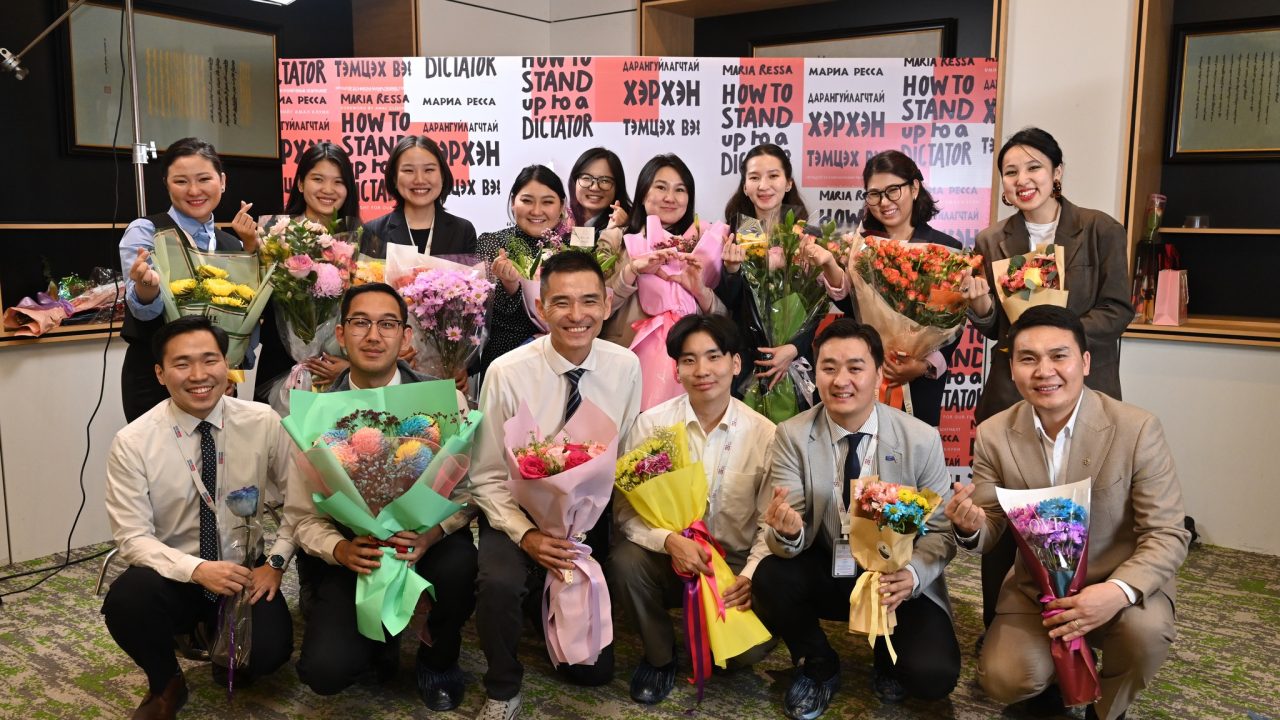
The Nest Center is building Mongolia’s AI-resilient future. Leveraging AI tools to digitize 30 years of trusted newspaper archives—the full length of Mongolia’s democratic history—the Nest Center is creating a high-quality, open dataset to improve local language AI models. At the same time, they are training 150 journalists and 500 students in AI literacy and responsible AI use to adapt to the evolving digital economy—building the next generation of Mongolians to lead their AI-powered future.
Activating Economic Opportunity
By building a reliable AI infrastructure that speaks Mongolian accurately, the Nest Center is creating new economic opportunities for journalists, media organizations, and the broader knowledge economy. Trained journalists can explore new revenue models, improve engagement with audiences, and remain competitive in the digital economy. More broadly, ensuring that AI tools work effectively in Mongolian reduces costs and increases accessibility for all Mongolian speakers, enabling broader participation in the AI economy. This work positions Mongolia as a replicable model for how other low-resource language nations can bridge the AI development gap, protect their cultural and information sovereignty, and create meaningful economic pathways.
See more Awardees
Meet the Activate AI Challenge Awardees
Each solution addresses systemic barriers to economic participation while prioritizing local context, addressing low-resource languages, empowering community leadership, and driving sustainable impact beyond the grant period.