2025 marked our five-year anniversary, and through the year, we celebrated the work of data.org and our partners by amplifying numbers and real-world stories of impact. We convened global leaders across sectors for this milestone moment and had insightful conversations around dinner tables and conference stages. Many of them shared their interest in learning about others on the data for social impact journey. What’s working?What’s challenging? And how are other people and organizations solving these challenges? Those conversations were the impetus for launching a series of case studies capturing exemplary work in the sector.
To develop these case studies, data.org worked with Artha Global to interview three data.org partners across our Global Innovation Challenges and Capacity Accelerator Network (CAN): Mississippi AI Collaborative, Icon Data and Learning Labs, and Adaapta. Based on these interviews and a review of their documented progress, we’re showing what successful applications of data and AI for social impact look like in practice.
Mississippi AI Collaborative (MSAIC) | United States:
More than 3,400 Mississippians engaged in AI skilling programs; over 1,400 educators trained; 86 small businesses supported; ~66,000 people reached online.
Adaapta | United States:
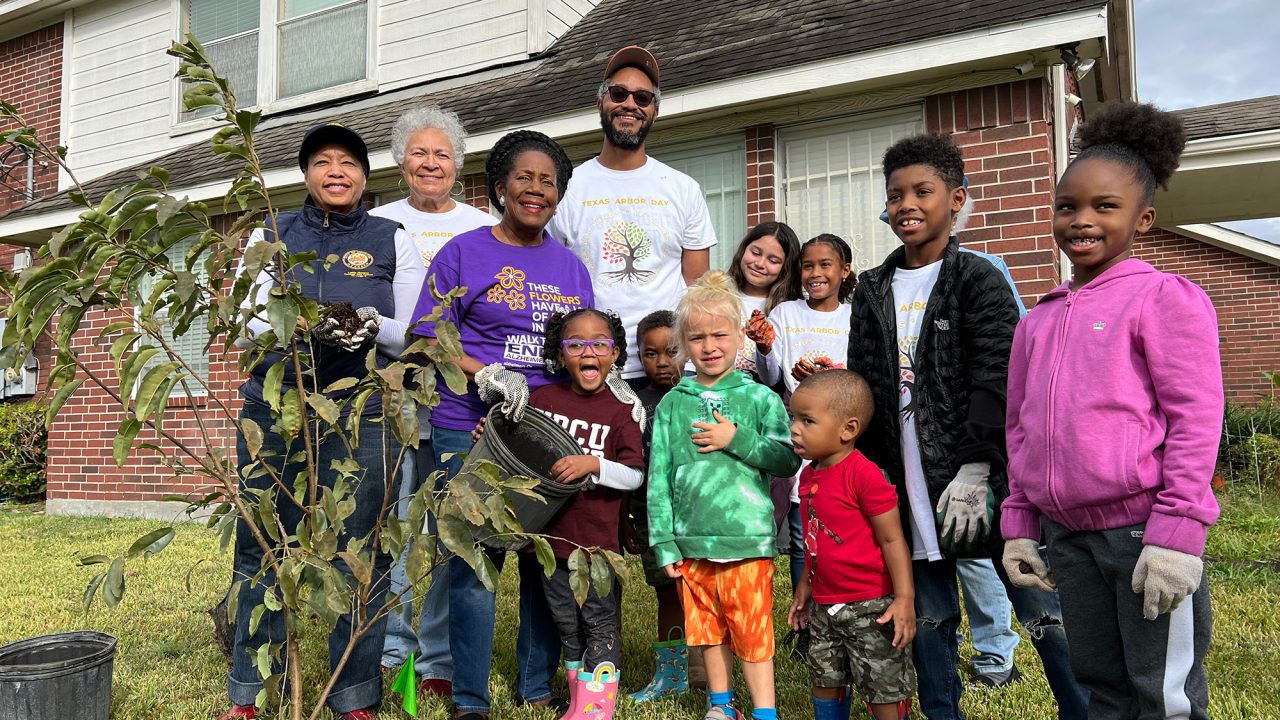
Adaapta has helped 152 communities, reaching over 10,000 citizens. Their work has supported the redevelopment of over 193 acres of land in the past year alone and helped fundraise more than $14 million for community-led projects.
Icon Data and Learning Labs (IDL) | Kenya:
IDL is in initial phase of rolling out Integrated Multi-Trophic Aquaculture (IMTA) -Based Ecological Farming to 88 farmers.
Here is what we learned:
1. The origin story reveals the blueprint
Each organization’s founding moment directly shaped how it designed its data and AI interventions. The “why” behind their start went from motivational to methodological to solve the problems in their communities.
MSAIC began around a dinner table with five people from four organizations, realizing they were solving the same problem from different angles. That founding dynamic of coalition and collaboration became the base of each intervention they designed. The lived experiences of the founders translated into better problem framing and community-centered solutions. They recognized that algorithms can be built once community trust is in place, setting the stage for adoption.
Community events in schools, libraries, and halls where residents of all ages try AI in friendly, informal settings. People show up for the food, but they leave with a new sense of what AI can do for them.
Dr. Nashlie Sephus, Mississippi AI Collaborative
2. The data told part of the story; the community told the rest
Quantitative metrics are essential, but they add greater value when paired with qualitative evidence from the communities they serve. For these changemakers, the community context of the data made it actionable and effective to bring about real change.
Adaapta, a mission-driven brownfield redevelopment organization, found that the communities most harmed by contaminated sites were systematically excluded from the redevelopment process. They committed to addressing this very conflict by engaging directly to ensure data and insights would be accessible to the communities they served.
We’re not going out there and saying, ‘Hey, you guys need to hire us because we’re amazing.’ We’re investing our time and resources in being there for communities by finding projects and helping them move forward.
Danielle Getsinger, CEO, Adaapta
3. Behind every impact metric is a person who took a risk
Social impact through data doesn’t happen automatically. It requires people willing to bet on underserved communities and organizations willing to invest in and measure that bet honestly. The unconventional approaches of these organizations created an outsized impact. The ideas born of conversations and whiteboarding exercises have led to real lives impacted across agriculture, education, and brownfield redevelopment.
At IDL Zeddy Misiga, a former CAN learner, bet on a new learning approach and new talent to generate innovative ideas and processes to tackle climate stress in his community.
I’ve noticed that bringing in experts can solve immediate issue. Fresh graduates, by contrast, come in with passion and new perspectives. They may initially lack the technical know-how, but with training, they tend to take ownership of processes and buy into the organization’s vision. This approach is crucial—not just for managing wages in [a small social-sector] organization like ours, but for ensuring we have people who are motivated and aligned with our goals.
Zeddy Misiga, Founder, Icon Data and Learning Labs
Turning lessons into lasting impact
Data and AI for social impact is fast evolving, but innovation doesn’t have to mean constant reinvention of the wheel. As a connector, convener, and catalyst, data.org is committed to sharing best practices and helping social impact leaders learn from one another. We invite you to take a closer look at these case studies for a view into what works and why. The first step is to prioritize clear and current documentation for practitioners to learn from and replicate.