Background
The World Health Organization projects that climate change will lead to an additional 250,000 deaths annually between 2030 and 2050, with Africa and Asia bearing the brunt of these impacts. Along with direct threats to life from emergencies like flooding, heatwaves, and storms, climate change impacts food systems, water resources, air quality, livelihoods, and other key contributors to human health.

The intersection of climate and health offers a unique opportunity to harness the power of data to inform policy and drive action. New data sources can provide a clearer picture of how the changing climate is affecting people’s lives, shining a light on better approaches to help prevent, mitigate, and respond to these threats.
Likewise, new ways of working with, combining, and interpreting the data that already exists within Ministries of Health, Ministries of Environment, and social impact organizations can offer new insights and solutions to these challenges.
The vital role of Africa CAN
“As an organization committed to being globally informed and locally led, data.org partners with organizations around the world to design and implement context-specific trainings and fellowships to advance others on their data and AI for impact journeys. With five hubs across four continents, the Capacity Accelerator Network is the nexus of that approach, and is central to our pursuit of training one million purpose-driven data and AI practitioners.”
Priyank Hirani, Director of Capacity Building, data.org
The data science tools and skills developed through the CAN Fellowship are already making a difference across Africa, not just within the Fellows’ host institutions, but also in other projects focused on climate resilience, public health, and sustainable development. It’s exciting to see this kind of homegrown expertise being shared and scaled where it’s most needed.
Linet Kwamboka, Senior Manager, Innovation for Business Development, Global Partnership
Africa CAN focused on training data professionals across the continent to work at the intersection of climate and health data. The aim was to build a robust data ecosystem; provide actionable insights for policymakers, researchers, and communities; and have the right skills in the right place to prevent and respond to health emergencies resulting from the climate crisis.
The training phase of the program focused on equipping professionals with the skills to collect, analyze, and interpret climate and health data, including understanding the sources of such data, methodologies for data collection, and statistical techniques for data analysis.
The fellowship phase was an opportunity for early to mid-career data science professionals, contracted by the Global Partnership, to apply their skills to real challenges faced by African institutions and communities. Africa CAN’s work underscores the importance of capacity-building for informed decision-making on climate and health issues. By training data professionals, the network addressed the immediate need for data and invested in the long-term sustainability of Africa’s data ecosystem.
The power of collaboration
The eventual goal of CAN, and beyond the program, is to create a network of data professionals that are working on climate and health data, collaborating with and learning from each other, where people’s lives are improving as a direct result of this initiative.
Annita Mwagiru, Project Officer, Innovation for Business Development, Global Partnership
One of Africa CAN’s primary objectives was to create a network of data professionals across Africa who could take the cutting-edge software and skills learned in the program back to their institutions. The aim was to increase both awareness of what the climate is doing to people in terms of public health and the capacity within governments and organizations to understand and use the data being collected.
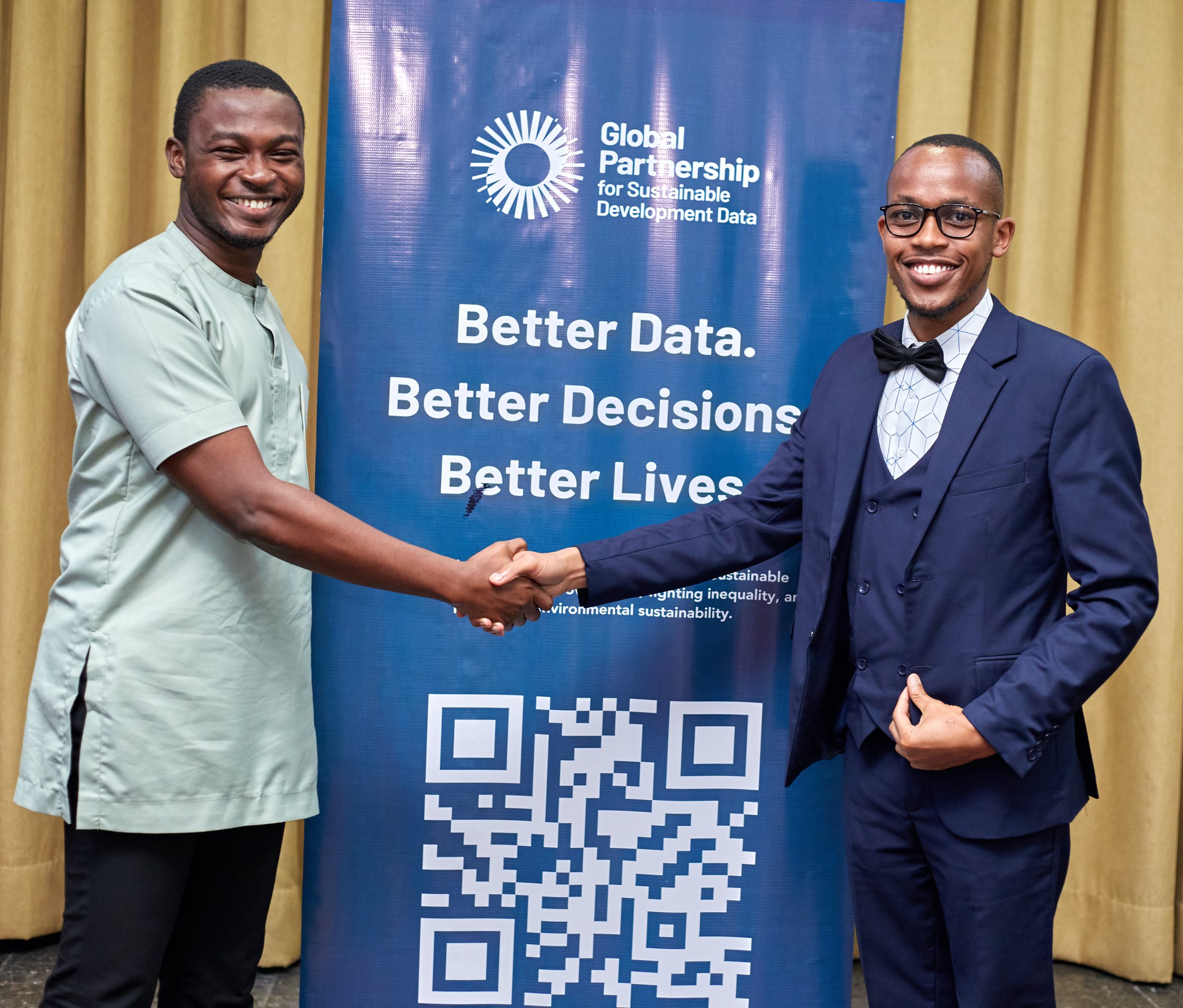
Three years after the network’s inception, governments and organizations are gaining the skills to use data to make better decisions, learning from each other, and sharing innovative ideas that work. For example, a health data expert may not have experience in working with climate data, or vice versa. Through capacity-building and collaboration under Africa CAN, new innovations and solutions have emerged, offering fresh insights into how climate change is affecting public health.