Broader external stakeholder engagement
The Global Partnership has leveraged and expanded its existing network of more than 700 organizations worldwide to cultivate partnerships and meaningful collaborations for Africa CAN.
Here are some of the most impactful ways that partners have been engaged to take part and collaborate in this initiative.
Convening the network
Through Africa CAN, the Global Partnership has become a central hub and nexus point for climate and health data work in Africa, acting as a network convenor for all the various stakeholders (trainees, Fellows, training providers, governments, academia, social impact organizations, and more), and is proud to have created a network that can scale efforts and amplify impact.
To establish the Africa CAN program, the Global Partnership leveraged its existing connections and partnerships with National Statistics Offices in Africa, then worked with them to bring other stakeholders on board as collaborators or data providers. As Africa CAN became more established, partners were increasingly aware of the program’s impact and keen to get involved. This created more direct lines of access to Ministries of Health and Ministries of Environment across Africa, and other partners who could provide valuable skills, lessons, and data to support the program.
Since its founding, the Global Partnership has focused on building enduring collaborations, helping countries to achieve their goals for 2030 (the deadline for the SDGs) and beyond. This ethos ran through Africa CAN; the aim was to broker partnerships that were sustainable and build skills that would endure to inform effective decision-making.
Cultivating Africa CAN as a network within a network
Africa CAN has built its own network, which is similar to and connected to data.org‘s larger CAN network. This network brings together partners eager to collaborate on climate and health data in Africa, including government ministries, health agencies, medical professionals, climate scientists, NGOs, and SIOs, to use data more effectively in their work. Once again, the Global Partnership acted as a network convener, bringing various organizations together in different ways to support collaboration.
Brokering introductions and connections
One of the ways this happens is through the brokering of specific connections, where synergies and opportunities exist or a particular need arises. For example, the University of Florida took part in the Africa CAN data science training as a complementary trainer, hosting a session on its cholera dashboard. The potential for the dashboard to generate predictive models for cholera outbreaks elicited a lot of interest from countries seeking to access this tool. Through Africa CAN, the Global Partnership helped to broker connections between the University of Florida, the Kenya National Bureau of Statistics, and the Uganda Bureau of Statistics to work on the dashboard and implement it in Kenya and Uganda.
Through its strong network, Africa CAN helped to ensure that countries could access and incorporate innovative tools like this to use data more effectively to solve problems.
Supporting ethical data sharing
The strong network that formed around Africa CAN also helped to facilitate ethical data sharing, particularly when it came to collecting data that Fellows required for their innovative projects. The Global Partnership leveraged its role as a network convenor to help Fellows get in touch with various data holders, make the case for data sharing for the public good, and set up strong agreements.
For example, in Ghana, one of the fellowship projects examined air quality data and its impact on public health. To gain the most comprehensive dataset, the project required input from several stakeholders, including data from Ghana Health Service; air quality statistics from India’s Air Quality Index; local air quality statistics held at the Ghana Statistical Service; and environmental markers held by other organizations. Through leveraging the strength of the network, the Global Partnership was able to connect the organizations and ensure the work moved forward.
Facilitating peer-to-peer learning
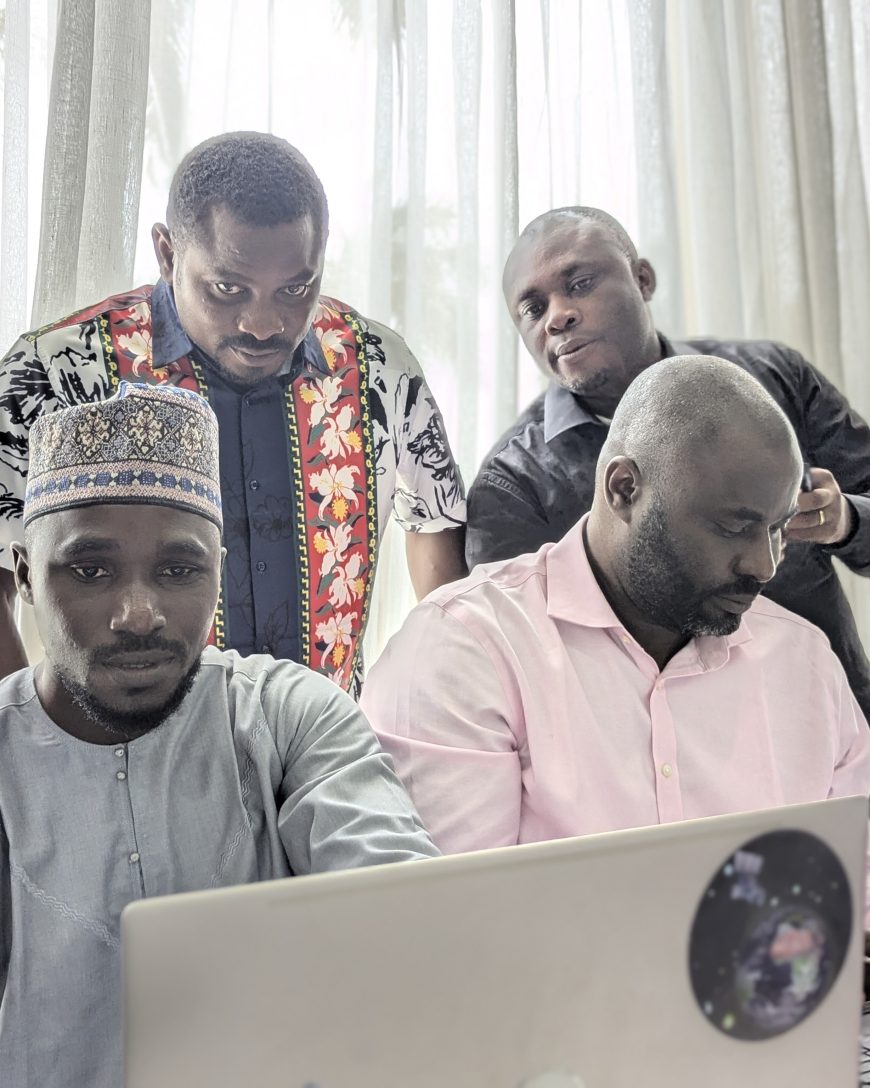
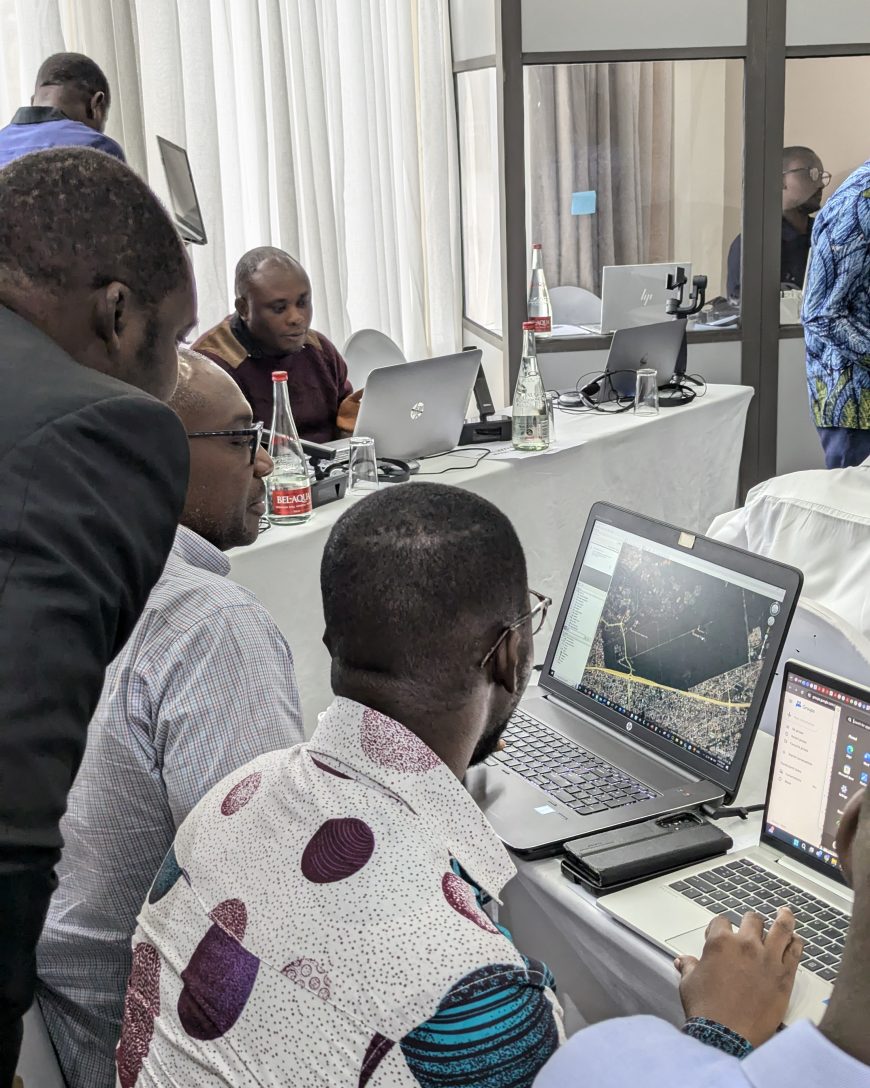
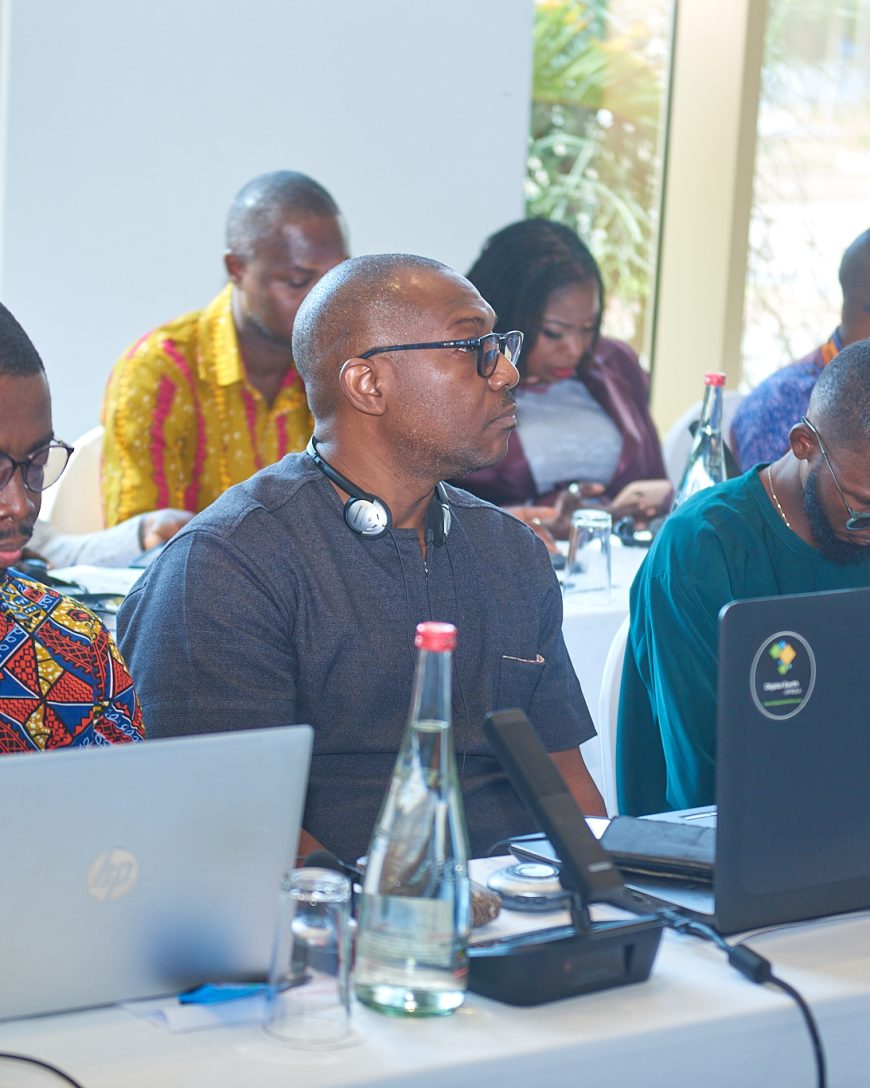
Ensuring that the knowledge held within institutions was shared for the benefit of all was an important part of Africa CAN. Peer-to-peer learning ran through the Africa CAN training program; since cohort two, participants were put into smaller groups where they could work together on projects and support and learn from each other.
Community organization
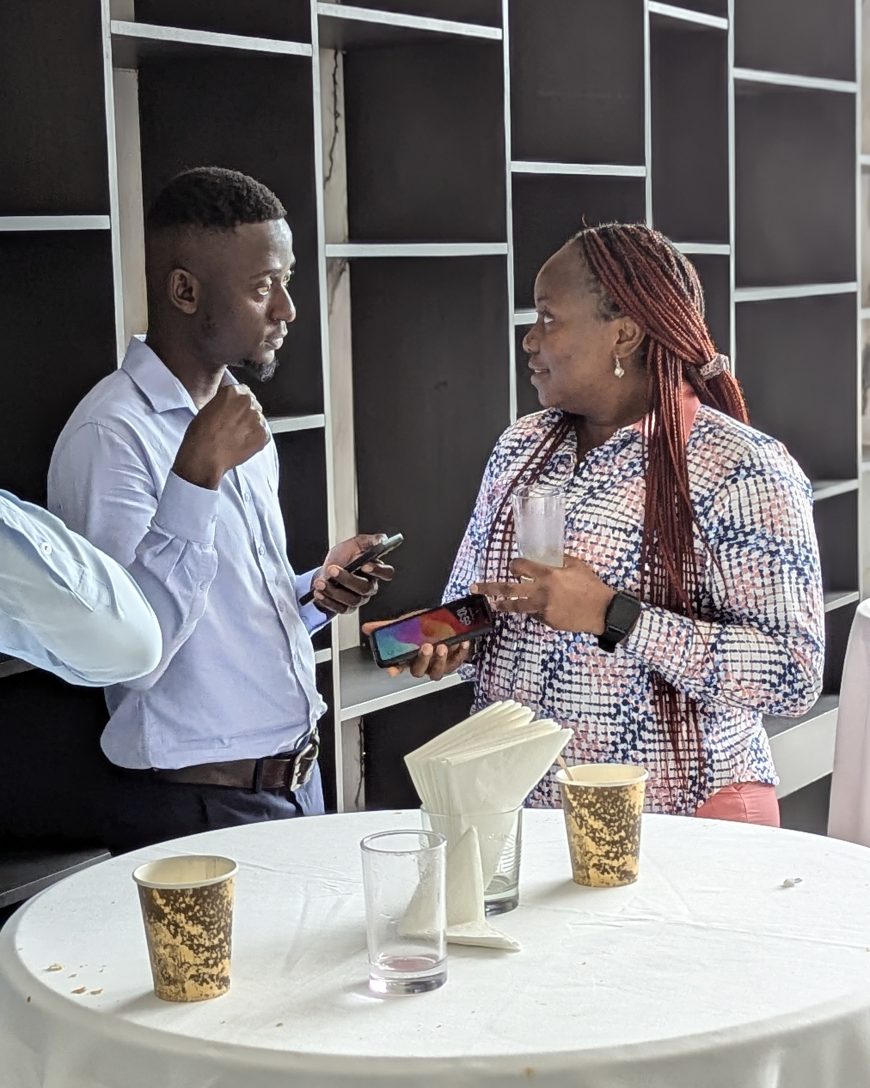
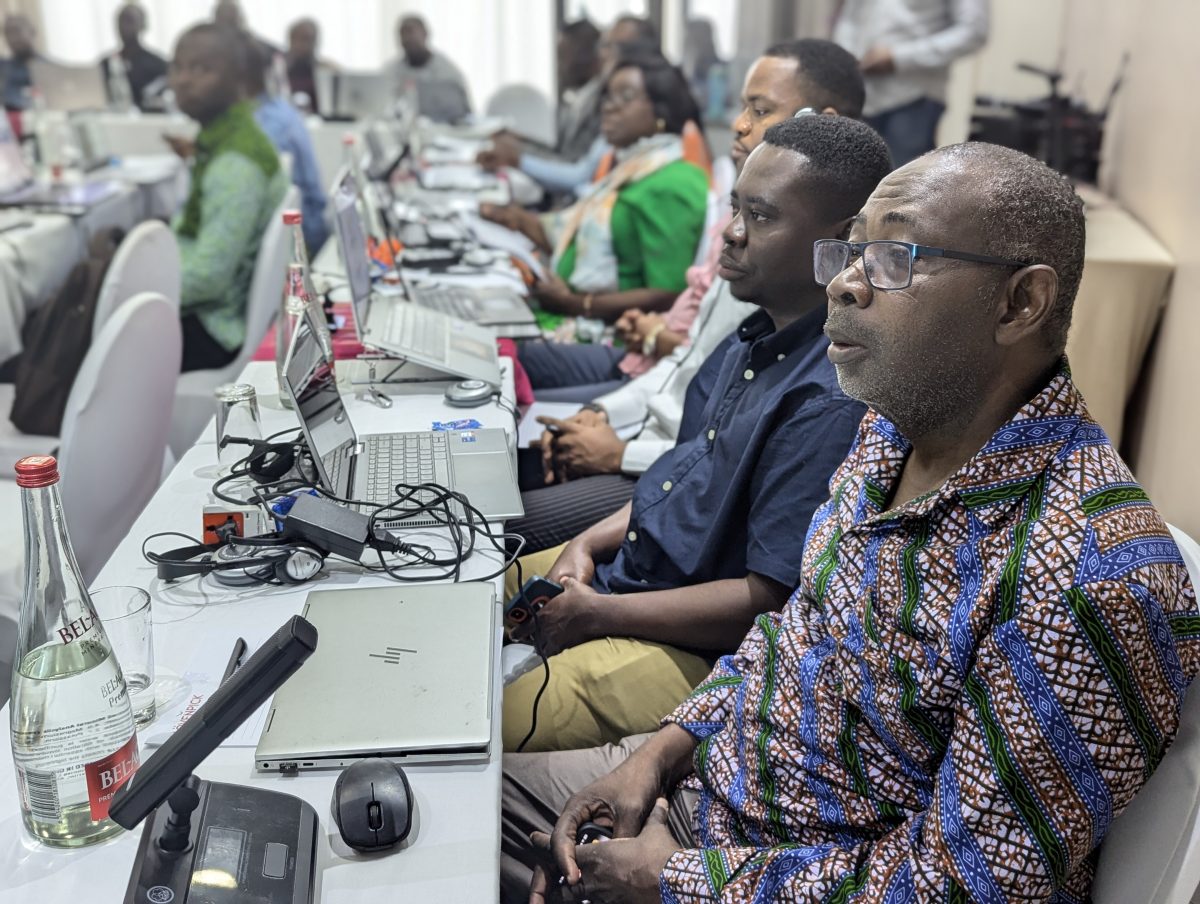
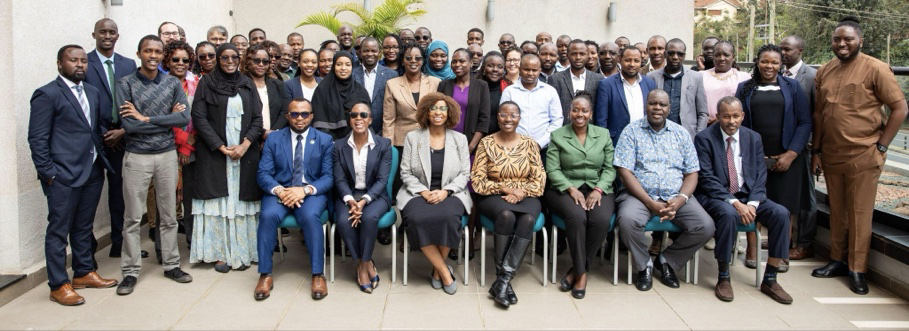
Africa CAN’s series of events focused on bringing together diverse groups of stakeholders from across countries to exchange ideas, explore solutions, forge connections, and work together to find the best ways to tackle shared problems.
Again, the focus was on facilitating an environment where attendees working across climate and health in different countries and sectors could meet each other, exchange insights, and lay the groundwork for deeper partnerships and collaborations.
For more on Africa CAN’s events and activities, see this chapter.