The rapid emergence of AI has been described as a revolution; the pursuit of its benefits a race.
And in the race to leverage AI, the Social Impact Data Science Accelerator (SIDSA) brings a relay approach.
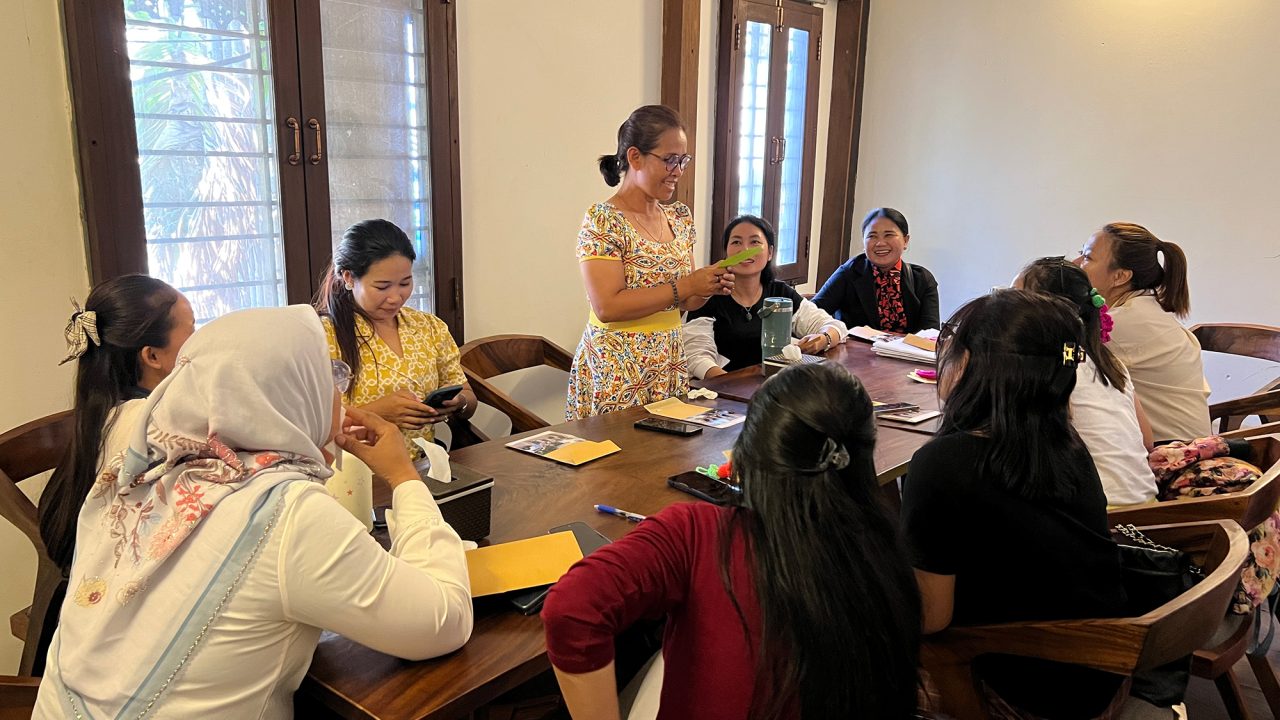
The Association of Pacific Rim Universities (APRU) is a core partner in data.org’s Capacity Accelerator Network (CAN) Asia Pacific Hub. APRU designed SIDSA to pair NGOs and micro, small, and medium enterprises (MSMEs) driven by social impact goals with multidisciplinary academic teams, bringing academic grounding and creative solutioning to practical data and AI problems faced by MSMEs. The approach simultaneously provides real-world exposure to students across their network of 64 universities.
The first sprint is identifying the right problem statement, then a baton handoff to collaborative design and development, to capacity building, and finally crossing the finish line to solutions.
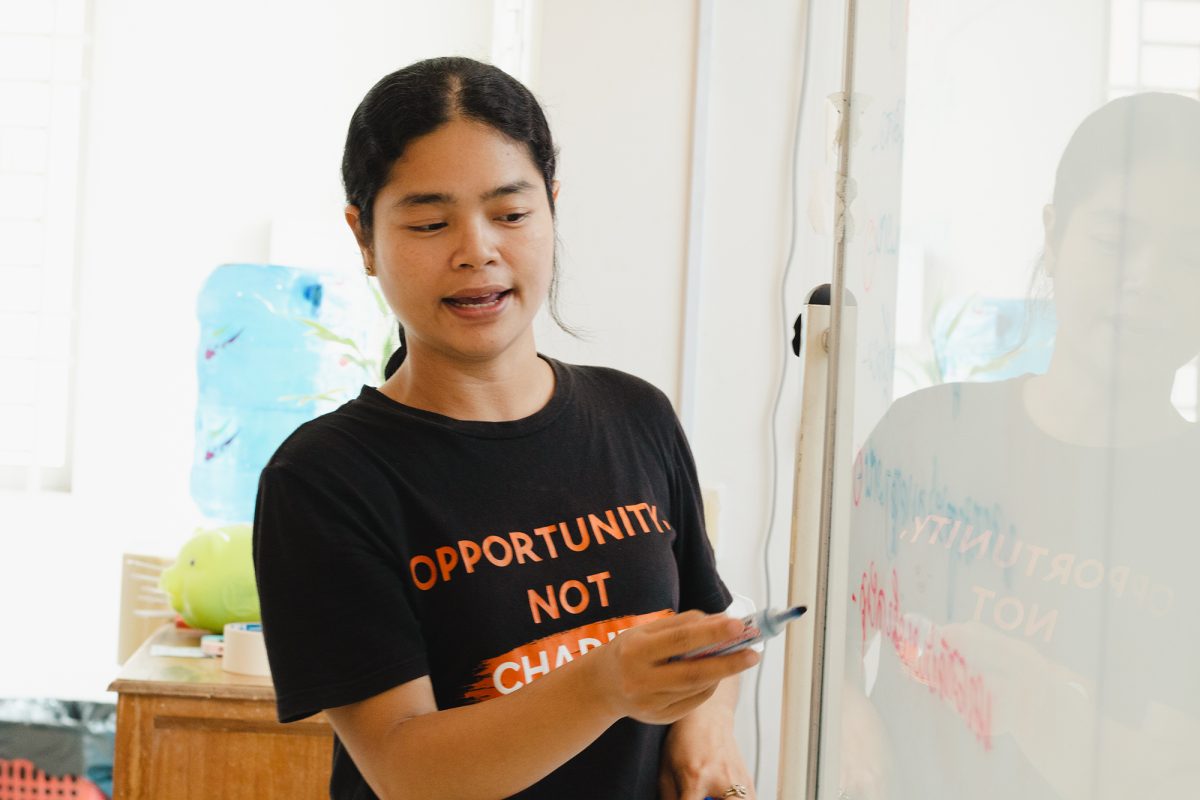
Raphaella (Rae) Ladion is a student at the Asian Institute of Management in Makati, Philippines, one of the institutions in APRU’s SIDSA cohort. She has long been interested in data science as a career path, but when she joined a SIDSA project to support International Development Enterprises (iDE), it opened her mind to the kinds of non-traditional professional applications data and AI offer.
“Before, we were only thinking of business opportunities. Most of our connections within the Institute are other businesses, so this was the first time that our team of students had experience with our degree applying it to the social sector,” she said. “It’s a completely different set of objectives.”
That career exposure is exactly what Professor Michelle Banawan, the academic lead for SIDSA, hopes to unlock.
Rigorous curricula, experiential learning, and real-world applications of data and AI for good all come together through our Capacity Accelerator Network. The result is learners who are better prepared through regional exposure, academic institutions that are more relevant and competitive, and social impact organizations with access to greater capacity to seize the possibilities of the AI era
Priyank Hirani Vice President of Programs data.org

“Our motivation for developing this program is that we want students and academic teams to engage with projects that tackle real-world problems. We want to provide a venue where the things they study and learn within the four corners of the usual learning space can extend beyond those boundaries and have a meaningful impact on society,” she said.
Those relationships, she adds, are not possible without APRU; SIDSA’s innovation partner, Tandemic; and data.org, which is modeling these kinds of collaborative capacity-building networks all over the world through CAN.
“Rigorous curricula, experiential learning, and real-world applications of data and AI for good all come together through our Capacity Accelerator Network. The result is learners who are better prepared through regional exposure, academic institutions that are more relevant and competitive, and social impact organizations with access to greater capacity to seize the possibilities of the AI era,” said Priyank Hirani, vice president of programs at data.org.
The second motivation for creating the SIDSA program is giving back to the community. iDE promotes entrepreneurship as an approach to create livelihood opportunities for poor rural households, empowering them to begin an upward climb out of poverty and advance financial health outcomes for their community.
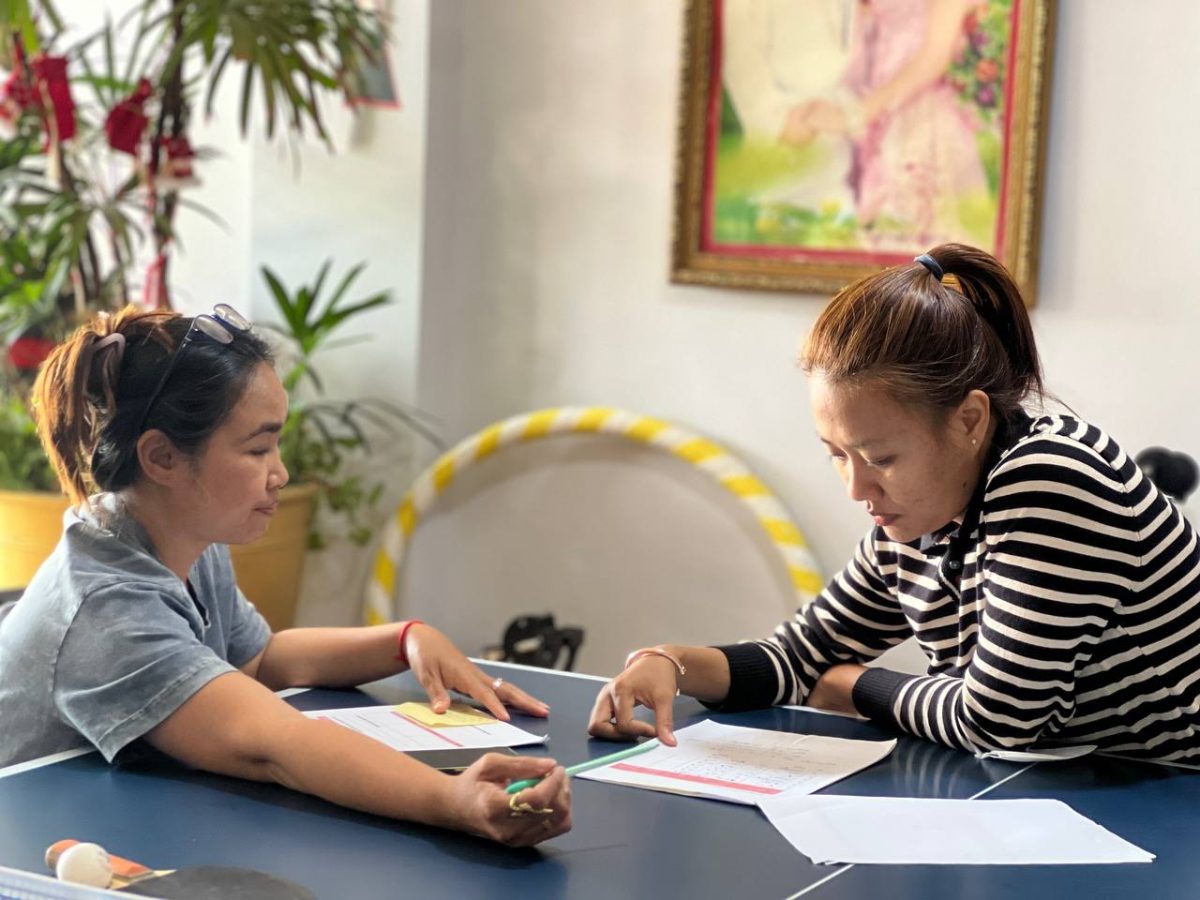
Keisha Gani is the senior manager of women’s entrepreneurship at iDE. A central piece of her role is taking what the organization has developed in Cambodia over the last decade and finding ways to scale those solutions elsewhere. They have the vision, the commitment, and the trust from the community, but not always the technical skills necessary to scale or expand solutions through data and AI innovations.
“It’s a reminder for social impact organizations that, compared to the corporate sector, we have far fewer resources. We collect a lot of impact data but reviewing it, analyzing it, putting it to work- that is what is challenging,” she said.
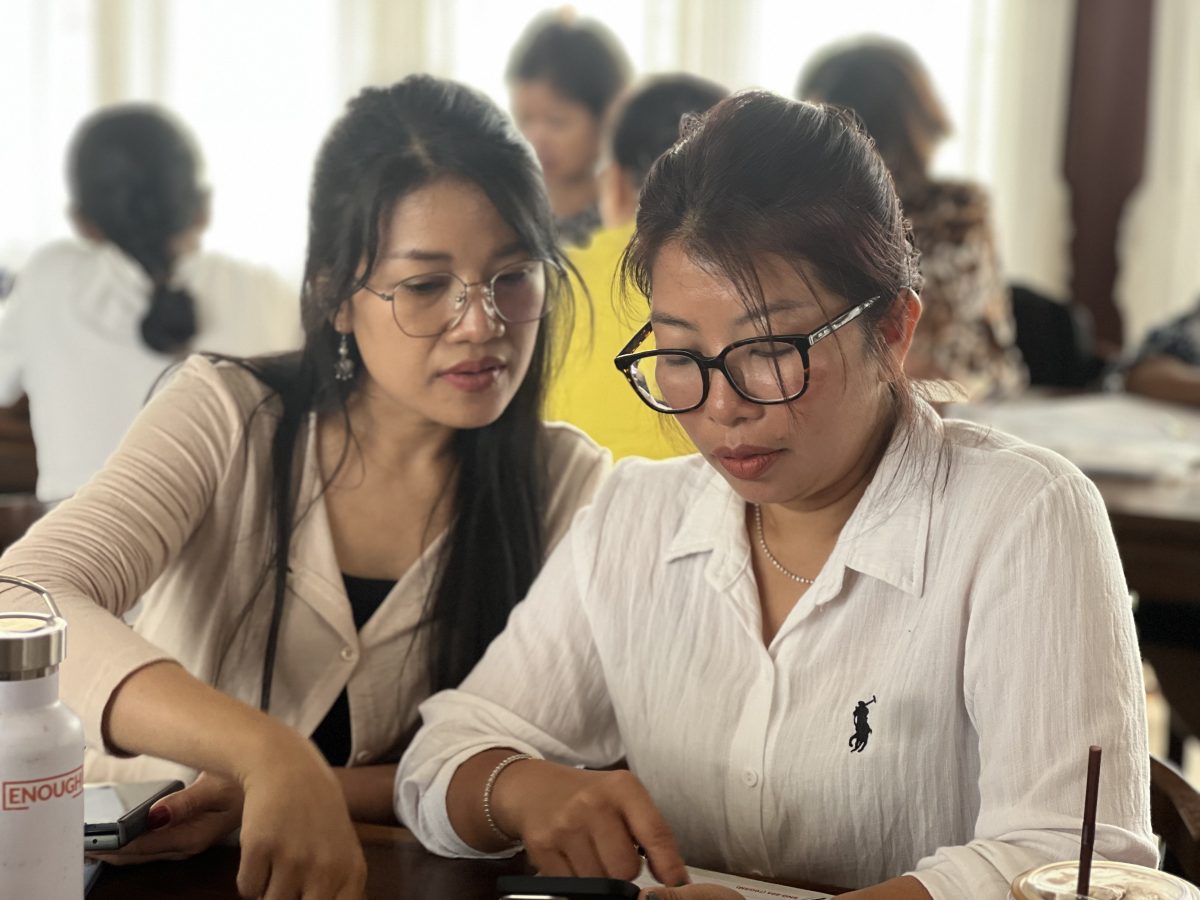
A team of seven students, including Ladion, met with Gani and the iDE team to learn more about the challenges they face in data and AI. The group decided to build a data dashboard evaluating some of iDE’s virtual, self-paced learning modules.
Before building, though, Ladion said it was essential for their team to better understand the communities that iDE serves.
“This is a mistake that a lot of beginner data science students make,” she said. “We need to know the context.”
Internet connectivity is a hurdle for access for iDE’s target audience, and Gani points out that micro and small entrepreneurs—and especially women entrepreneurs—face “time poverty” and often cannot attend professional development or access upskilling opportunities between their work and family obligations. As iDE explores expanding learning opportunities and growing their audience, they are looking to increase their understanding of the needs, barriers, and behaviors of their program participants.
I have always described data science as transforming raw information into timely, meaningful insights that approximate the expertise of stakeholders and reflect the context of the organization. We did see that transformation here.
Professor Michelle Banawan, Academic Lead for SIDSA
“What does course completion look like? What does engagement look like? When does it start to drop off?” Gani asks. “Because this is part of a potential scaling strategy, having strong data is the first step in making sound decisions. The dashboard tells us something that we couldn’t easily infer from the learning platform.”
But for a SIDSA project to be successful, sustainability must be a top priority. Gani’s lean team needed to be able to take the keys from the students on whatever solution they developed and maintain it with their current capacity.
“When we were talking to Rae and the rest of the team, the challenge was translating theory into practice. What does it actually look like for someone like me to keep that dashboard updated?” she said. “Otherwise, you end up in a situation where someone has come in and built something new, but no one knows how to use it, and it never gets adopted.”
The SIDSA team took that feedback into account, creating a drag-and-drop back-end system that is easy to use. They finished the initial platform in April 2026 and are eager to see how it takes off and informs decisions after the handover. Gani, too, is hopeful that the additional insights and analytical capability will be an accelerant for iDE’s work.
In the meantime, the learnings from this project will help further refine the SIDSA program as they stand up new partnerships and launch more projects between academic teams and the social impact leaders working on the frontlines of important issues.
“I have always described data science as transforming raw information into timely, meaningful insights that approximate the expertise of stakeholders and reflect the context of the organization,” Banawan said. “We did see that transformation here; transactional raw data became something insightful, surprising, and useful to organizations. When data begins to inform decisions and create new understanding, that in itself is a success.”