Globally, 1.3 billion adults lack access to formal banking. Another 2.6 billion people—roughly a third of the world’s population—do not have access to the Internet, a gatekeeping barrier to digital literacy.
The Asian Institute of Digital Finance (AIDF) is working at the intersection of these extraordinary challenges—financial inclusion and data literacy—to improve people’s lives in a tangible way: both for individual success and for capacity building in data and AI at scale across Asia Pacific (APAC).
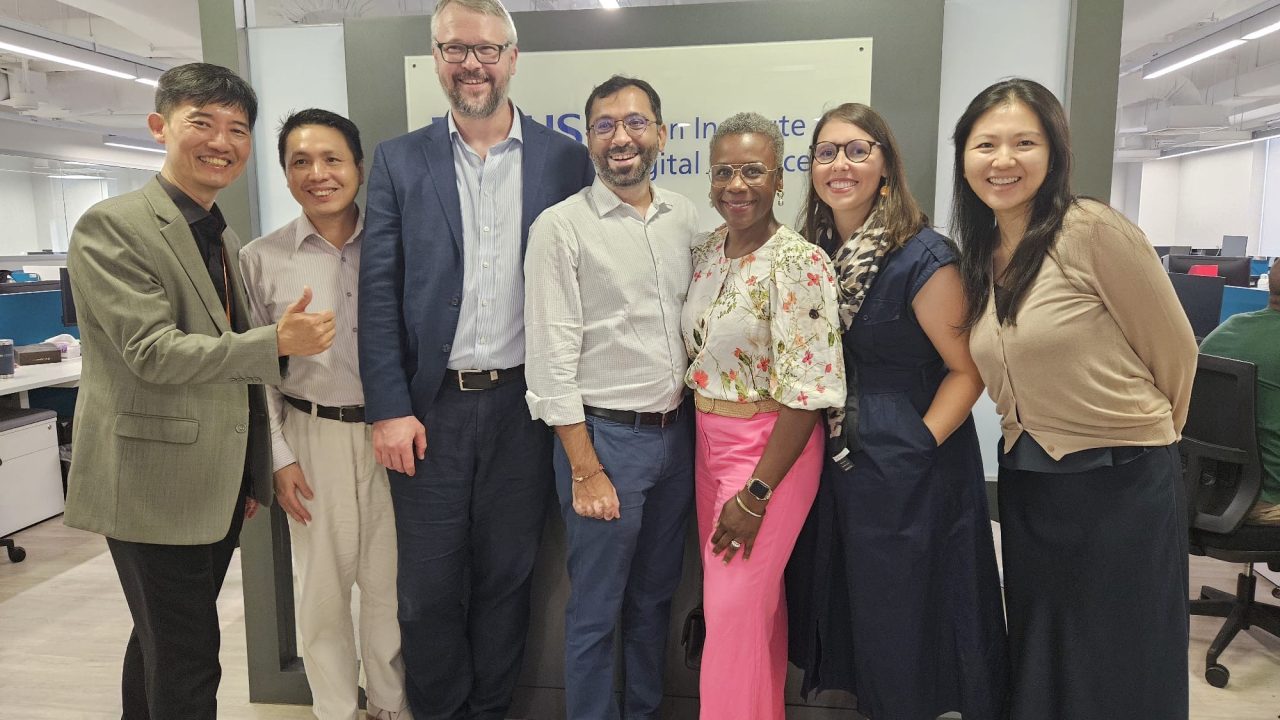
Take Srusti Mohanty, for example. Mohanty is a student at the Government Autonomous College in Odisha, India, and is now engaged with the Global Finance & Technology Network (GFTN)’s Certificate in FinTech and InsurTech (CFI) program. GFTN is a platform where financial regulators, investors, founders, and institutions connect. Her desire to become more financially and technologically savvy drove her to enroll in this program. The program is offered by GFTN but is delivered by the National University of Singapore (NUS), where AIDF is housed, more than 5,600 kilometers away from Mohanty’s home. As part of this, several modules from data.org and AIDF’s virtual Fintech Literacy curriculum have been embedded to provide a holistic learning experience.
Financial and data literacy is more than an academic exercise; it’s a gateway to financial inclusion and a lifelong skill that can unlock personal and professional opportunities.
Priyank Hirani Vice President of Programs data.org
“It was really an insightful and wonderful experience for me,” she said. “I got to learn how finance is applied in the real world through technology and how financial services are made accessible to everyone, especially underserved communities. It is something that is not talked about in our regular courses.”
Edward Tay, an AIDF professor, lights up at Mohanty’s description. In designing the program as part of data.org’s Capacity Accelerator Network (CAN) APAC Hub, upskilling students for the workforce was not the only goal. Edward and team felt strongly about creating an opportunity that drove impact at both the individual and collective levels—a goal that is shared by data.org.
“Financial and data literacy is more than an academic exercise; it’s a gateway to financial inclusion and a lifelong skill that can unlock personal and professional opportunities,” said Priyank Hirani, vice president of programs at data.org. “And when individuals, especially budding entrepreneurs, are better equipped to manage their finances, they can grow their businesses, support their families, and reinvest in communities.”
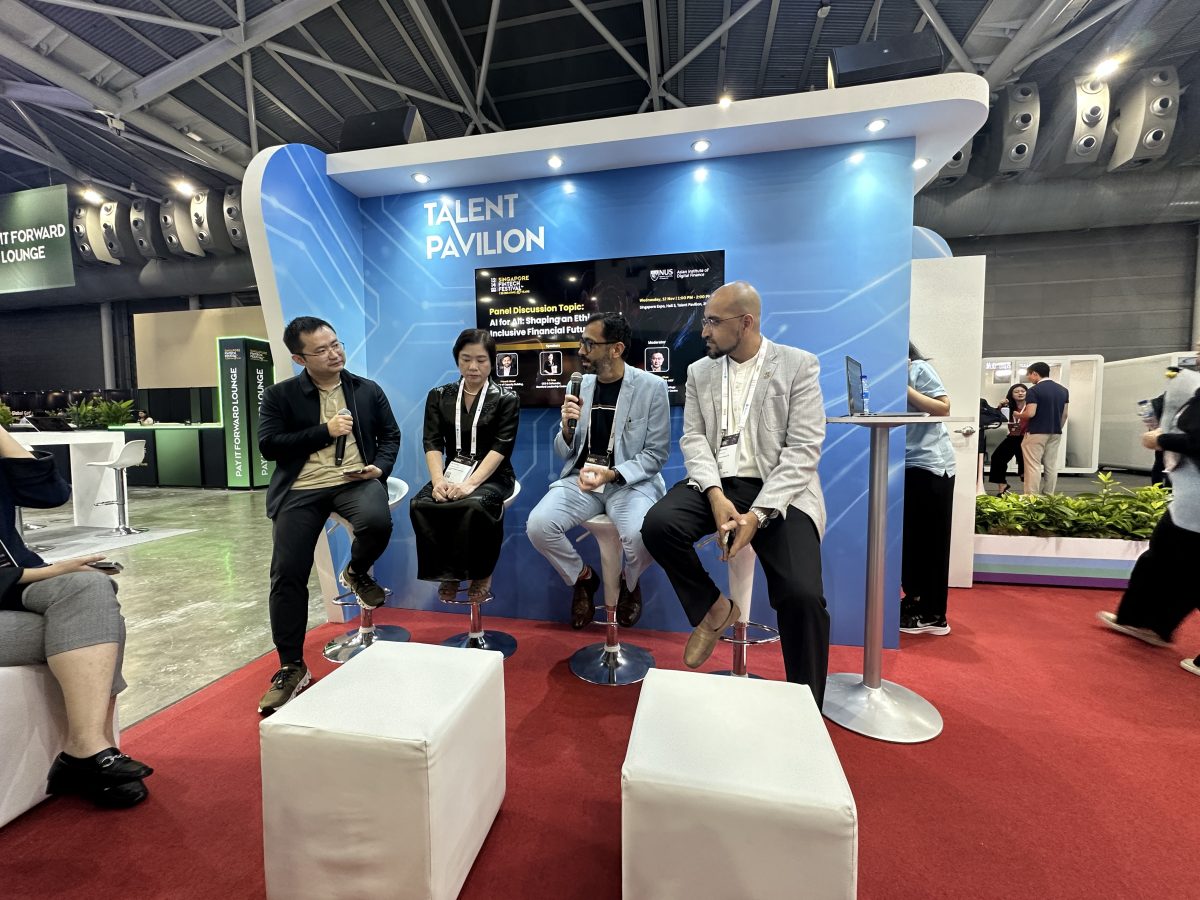
While Singapore is a finance hub and deep expertise in fintech exists, data.org’s idea around equipping small businesses, women microentrepreneurs, and young talent interested in driving social impact by providing them tools, frameworks and skills in data protection, data governance and financial literacy was novel. This data and AI for impact application in the finance sector drew NUS and data.org teams to collaborate.
“Universities face a lot of challenges as we compete for rankings and for students; many of our professors are very busy leading research…there are too many things that we need to do. We are sometimes guilty of not spending enough time supporting our community,” said Professor Tay. “We are very honored to be a part of this program because I think, in life, there aren’t too many chances to be involved in such a meaningful project.”
A meaningful project and a collaborative one
Professor Tay says that what NUS would be able to accomplish on their own has been accelerated and expanded thanks to their participation in the CAN network.
“To do this with global partners, with a very clear and distinct mission—accelerating a workforce of purpose-driven practitioners around the world—is quite different. It is at a scale that we have not done it before as a school,” said Professor Tay. “data.org is a very strong team in terms of global collaboration and ideas.”
The course encapsulates topics around ethical AI, financial inclusion, and data privacy and is taught by academic experts and leading practitioners, including those from the Monetary Authority of Singapore and fintech startup founders, focusing on real-world case studies and actionable frameworks.
In its first year and a half, close to 300 students have completed the Fintech Literacy Program. This includes learners from GFTN’s Odisha program such as Srusti but also small business owners such as Santi Lisana in Indonesia and digitalization trainers for women microentrepreneurs such as Roza Ahmad in Singapore, amongst many others. The university and its partners have done outreach to more than 50 countries, and are particularly focused on women and micro, small and medium enterprises.
“We tried to reach out to more women because here in Asia, gender equality is still not at parity and we are very mindful that with tools of AI, gender inequalities could be exacerbated,” Professor Tay said.
By building relationships and trust with local trade associations, the program is making progress with entrepreneur participation, and hopes to replicate the approach through women’s organizations, youth groups, and other trade groups. These kinds of organizations can serve as a credible validator for the program.
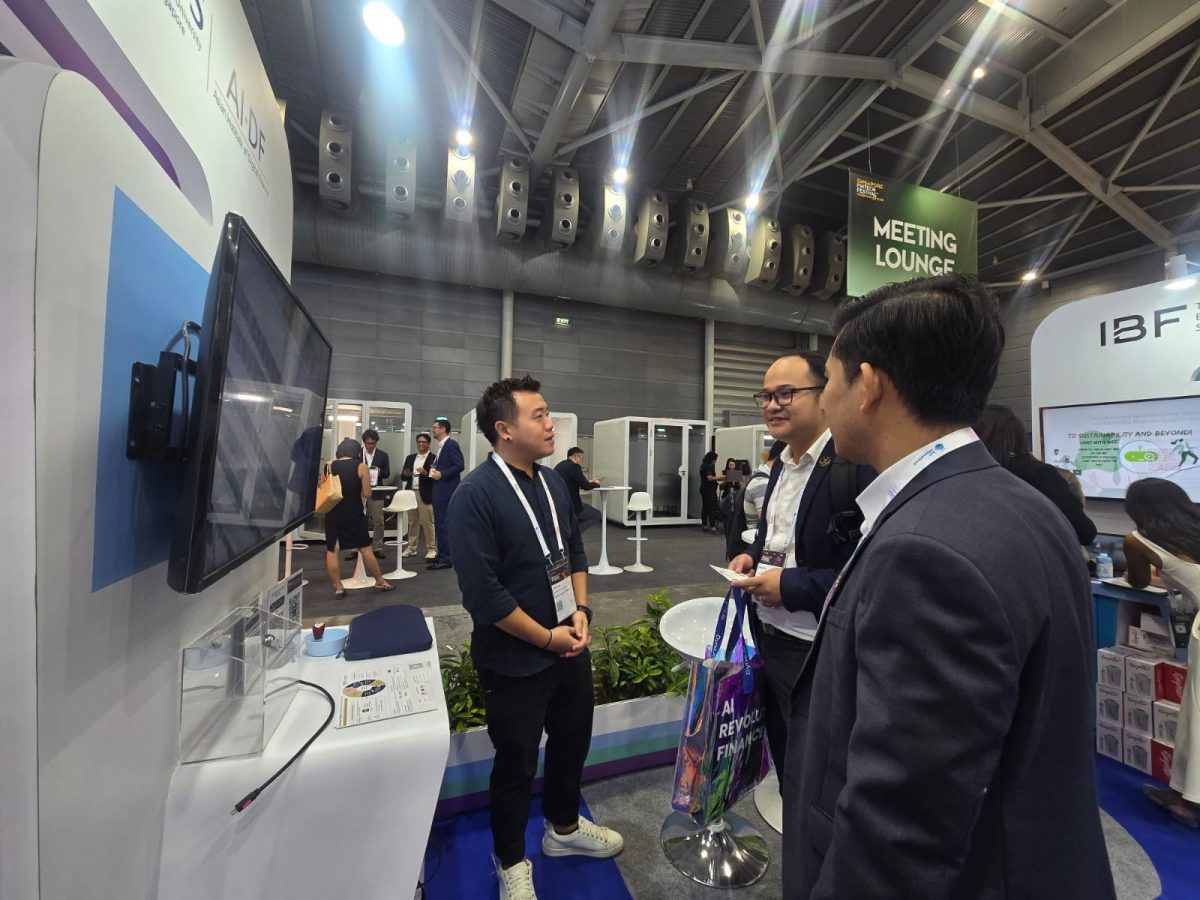
For women entrepreneurs, in particular, Edward explains, they are not only financially constrained, but more likely to have limited time to invest in education and upskilling between the demands of running a business and caring for families. With those barriers to participation in mind, the program is delivered asynchronously, so participants can view lessons and engage with the content whenever it works best for their schedules.
“The course is designed in a way to work with your timing,” Mohanty said. “Everyone should definitely do the course because these teachers have so much more practical knowledge than what you can find elsewhere. Overall, the program has made me see how finance, technology, and data are connected in today’s world.”
Most importantly, the program is offered at no cost.
“Given that the goal is financial inclusion, it must be totally accessible,” said Professor Tay. “This does justice to what data.org wants to do and this is something that, at NUS, we totally subscribe to. It is important for us to reach out and provide this very meaningful course to everyone who would like to embrace this knowledge.”
We want to be a strong beacon of hope and inspiration for everyone so that more institutes of higher learning, more universities, more polytechnics, more business associations can join together. By sharing what we can do individually, all of us are helping to make this course very meaningful, and it will help us achieve greater reach.
Edward Tay, Professor AIDF
Going forward, they hope to further diversify participants, attracting older students and, ultimately, non-English speaking participants. The coursework is currently offered in English only, but NUS and its CAN partners are exploring the use of AI for translation.
Staying fresh and competitive in a rapidly changing technological landscape is also essential.
“The speed of change is ten times faster compared to just two years ago,” said Professor Tay, citing the rise of agentic AI tools as an example of content not included in the original coursework that is quickly emerging as a necessity.
He expressed gratitude for partners like the Mastercard Center for Inclusive Growth in helping capacity-building programs to enable participants to access the latest tools, skills, and tech, and said they hope to continue to grow the partner landscape to both enhance the coursework and grow their reach.
The program is now looking to accelerate, with a goal of training 100,000 people in the next five years under Professor Tay’s leadership.
“We want them to find better-paying job opportunities; we want them to create a better living for their families,” Professor Tay said. “And we want to be a strong beacon of hope and inspiration for everyone so that more institutes of higher learning, more universities, more polytechnics, more business associations can join together. By sharing what we can do individually, all of us are helping to make this course very meaningful, and it will help us achieve greater reach.”